

Calgary’s energy transformation is an ambitious journey turning Canada’s traditional oil and gas hub into a thriving center for clean tech, hydrogen, and solar power. Backed by steady investment, agile startups, and abundant natural resources, the city’s powerhouse energy sector is charting a new course toward a low-carbon economy. In this article on calgary1.one, we explore how green energy in Calgary is advancing, what lies ahead for hydrogen and solar farms, the role of cleantech startups and capital, and how Calgary and Alberta aim to achieve net-zero emissions by 2050.
Net-Zero 2050 Strategy: Climate Goals and Economic Impact
At the core of the city’s energy transition lies an official emissions reduction strategy. Municipal leaders clearly recognize the need to contribute to the global climate fight alongside other forward-thinking cities. In Calgary, cutting emissions is viewed not as a burden, but as a direct route to building a strong, low-carbon, diverse, and inclusive economy.
The city’s official climate targets include:
- Cutting greenhouse gas emissions by 60% below 2005 levels by 2030.
- Reaching net-zero emissions by 2050.
Hitting this target requires slashing emissions as drastically as possible, while capturing and storing any residual emissions from the atmosphere.

Data shows that Calgary is well-positioned to meet—and perhaps even exceed—its portion of national carbon-reduction commitments. Pursuing climate neutrality brings residents substantial tangible benefits, particularly financial ones. Investing in energy efficiency and local renewable energy will yield significant long-term savings on operating costs.
Alberta’s Solar Boom: Why the Province Is Called the “New Florida”
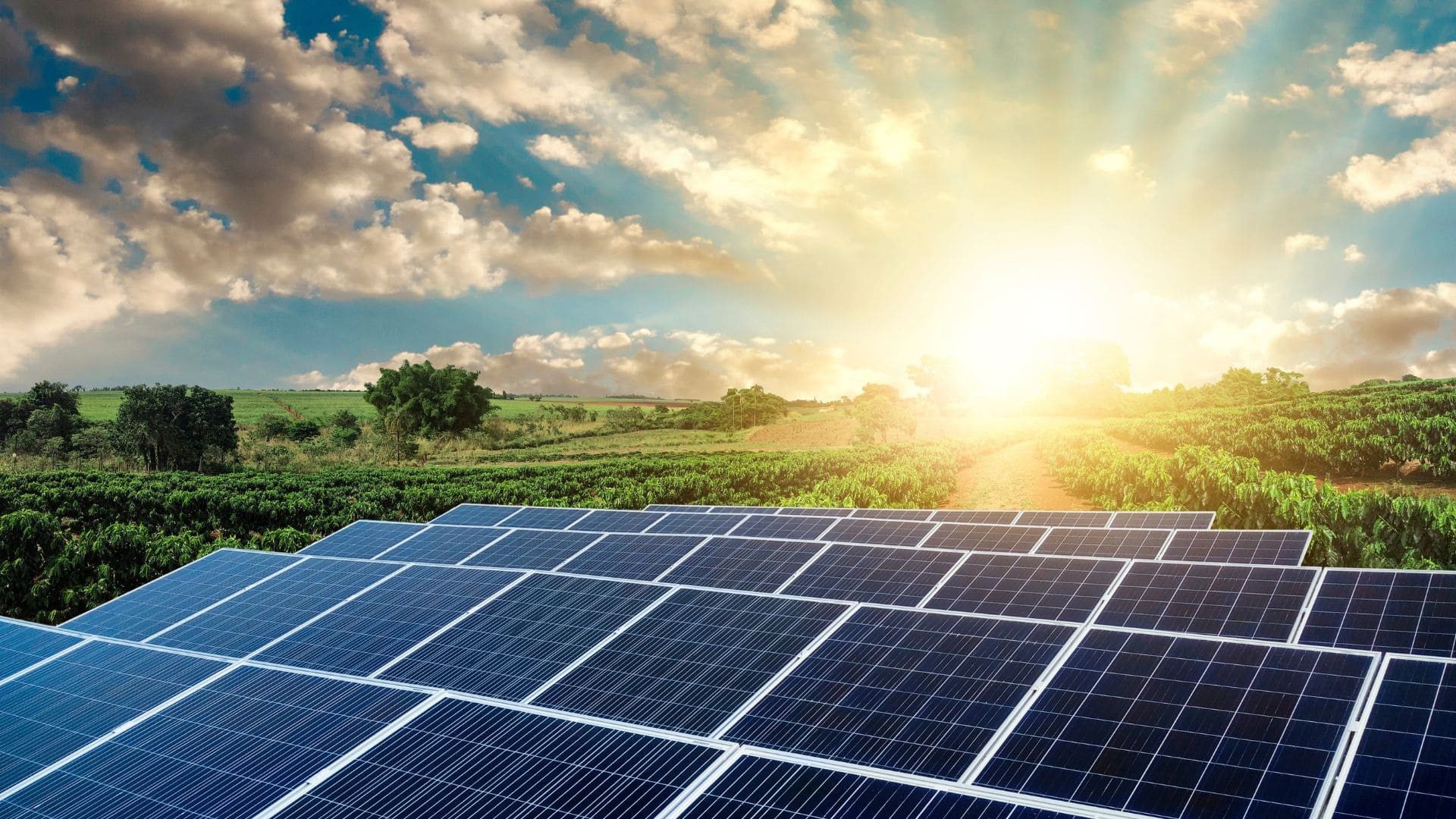
A deregulated electricity market, abundant sunshine, and vast tracts of available land have turned Alberta into Canada’s undisputed leader in utility-scale solar power. Currently, the province boasts a project pipeline of over 3 GW of approved or development-stage solar capacity.
Dan Balaban, CEO of Greengate Power, points out the region’s unique advantage:
“It’s well known that Alberta has phenomenal fossil fuel resources, but what’s less known—and becoming better known now—is that we also have phenomenal renewable energy resources.”
He also draws a compelling parallel with the United States:
“The solar resource in southern Alberta is just as good as the solar resource in Florida for solar power generation.”
Municipalities across the province are eagerly embracing this shift. For instance, the city of Medicine Hat—which generated its own electricity for over a century—voted unanimously to fund the Saamis Solar Farm. Valued at $131.5 million, the project will add 75 MW of municipal solar capacity and is slated for completion by 2028.
The Hydrogen Revolution and the Launch of the Calgary Region Hydrogen Hub (CRH2)
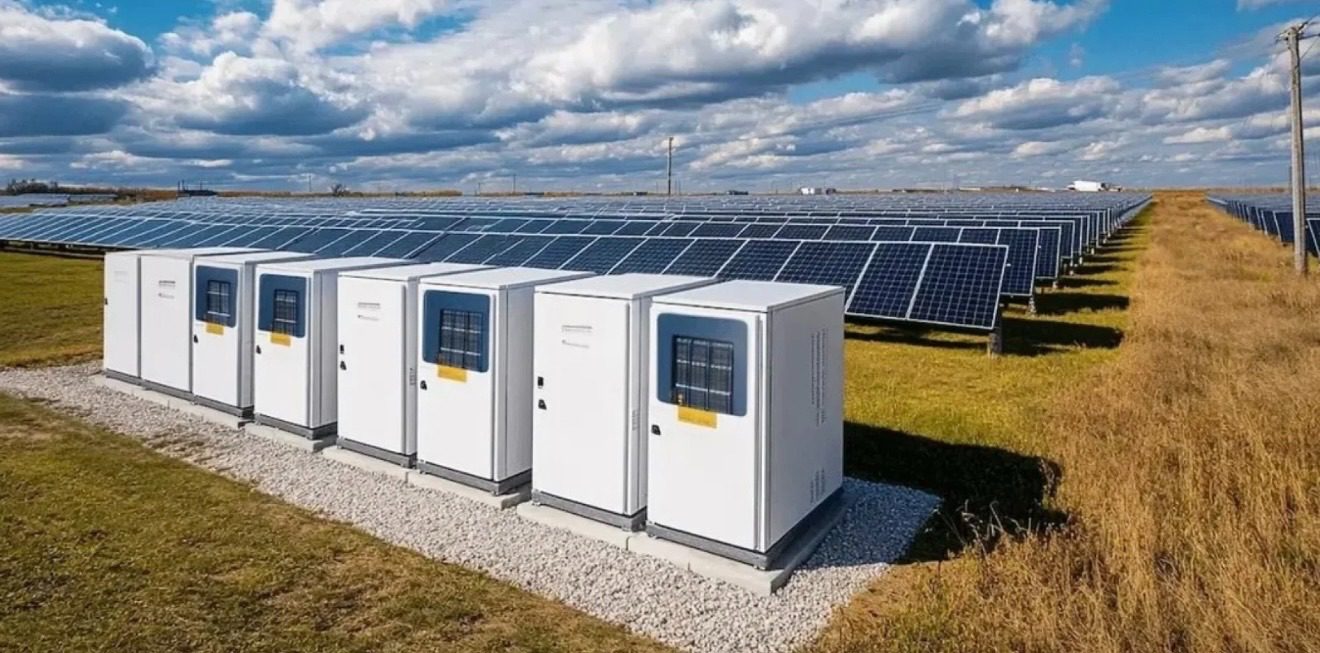
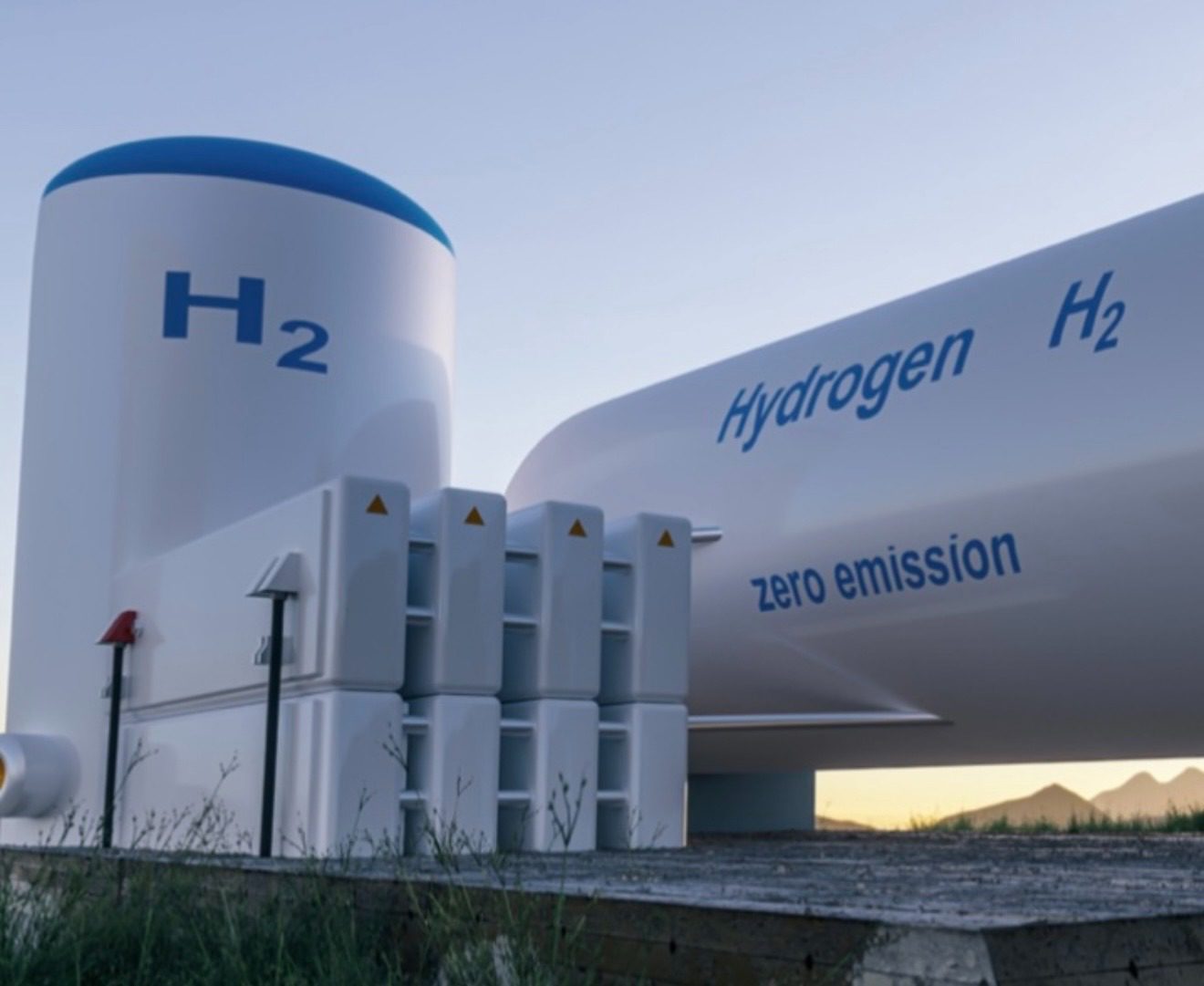
Another strategic pillar for Calgary is the emerging hydrogen economy. Hydrogen is expected to play a vital role in tomorrow’s energy landscape, with the global market projected to reach $700 billion annually by mid-century.
To tap into this potential, local leaders established the Calgary Region Hydrogen Hub (CRH2). The hub focuses on consolidating industrial-scale demand, building bridges between Alberta’s hydrogen producers and major end-users adopting clean fuel.
CRH2 directly aligns with Calgary’s economic action plan, Uplook. The initiative aims to drive innovation and position the city as a trailblazer in emerging sectors like clean hydrogen. By uniting multidisciplinary experts and corporate partners, the hub coordinates research, accelerates tech adoption, and knocks down hurdles facing hydrogen energy growth.
Brad Parry, President and CEO of Calgary Economic Development (CED), highlights the weight of this milestone:
“Calgary is an innovation-driven city that has always been—and will continue to be—Canada’s energy capital. With a skilled talent pool and forward-thinking businesses, we are well-positioned to step up, aggregate hydrogen demand, and trial new energy solutions that can scale globally.”
The Cleantech Ecosystem: Startups, Geothermal Energy, and Innovation Hubs
Calgary is steadily cementing its reputation as one of Canada’s premier clean technology hubs. Alberta is home to approximately 945 cleantech companies, predominantly focused on digital solutions, renewable generation, water efficiency, and wastewater treatment. This robust landscape reflects a powerful mix of technical expertise, industrial infrastructure, and strong investor appetite for sustainable solutions.
A prime example is Calgary-based Eavor Technologies, which pioneered a closed-loop geothermal system for energy generation. The company runs demonstration projects in Alberta alongside Shell and is preparing an initiative in Germany with Enex. Eavor has raised over $63 million in capital from top-tier backers like Eversource Capital, Chevron, BP Ventures, and BDC. Another standout driving geothermal tech in the province is Edmonton-based Terrapin.
Beyond individual success stories, Calgary’s broader tech ecosystem is turning heads globally, frequently earning recognition in international benchmarks like Startup Genome. Proximity to industrial heavyweights offers clean technology ventures direct access to corporate clients. Furthermore, as CBRE Group research indicates, the city’s tech sector continues to post rapid tech job growth.

Anchoring this ecosystem is Platform Calgary, a central innovation hub downtown. It connects founders, venture capital, and established businesses, guiding startups through every stage from initial concept to commercialization—including product engineering, early sales, funding rounds, and team building.
The AI Era: Data Centers and Fresh Infrastructure Challenges
Technological change in Alberta stretches well beyond renewables and cleantech. The next frontier is artificial intelligence infrastructure—specifically the data centers and high-performance computing required to power modern AI models.
The province’s key competitive edges include readily available natural gas and extensive energy infrastructure. This blend of baseload reliability and digital infrastructure makes the region an attractive destination for massive data center buildouts.

Carlos Caldos, CEO of Data District, outlined the group’s ambitious roadmap: a long-term goal to develop a network of data centers boasting up to 1 GW of combined capacity. Projects of this scale demand not only substantial capital, but also significant upgrades to electrical grids, generation assets, and mission-critical power redundancies.
For Calgary, this creates a double challenge: nurture a booming tech ecosystem while meeting surging demand for electricity. Because AI workloads are notoriously power-hungry, energizing data centers is directly tied to decarbonization goals and the future grid. The city is leveraging its engineering heritage and industrial backbone to construct a new economic model.
How smoothly Calgary navigates this transition will define its future as a vital energy and technology hub for North America.