

Patrick Burns was a ranch owner, businessman, senator, and philanthropist. He created one of the largest meat-processing empires in the world, P. Burns & Co., and became one of the wealthiest Canadians of his time. Burns was also one of the “Big Four” who founded the Calgary Stampede rodeo festival. Read more about his personal and professional journey below on calgary1.one.
Childhood
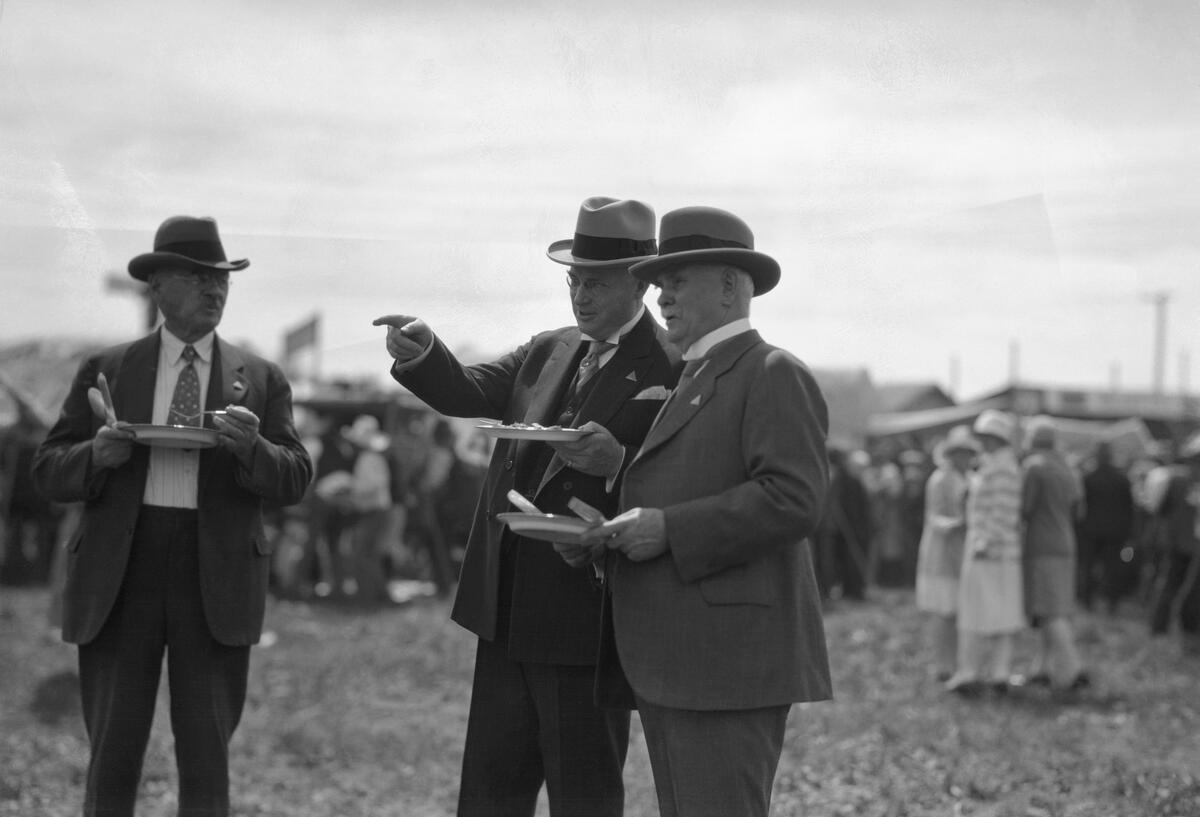
Patrick was born on July 6, 1856, in Oshawa, Ontario. He was the fourth of eleven children in an immigrant family from Ireland. In 1864, the family moved to a small community called Kirkfield, also in Ontario. There, Patrick spent nearly his entire childhood.
The family lived modestly, and Patrick couldn’t receive formal education, but he learned a great deal from his parents. From an early age, he was instilled with a strong work ethic and thriftiness.
One summer, he spent his time cutting firewood for a neighbor. His goal was to earn enough money to move West. However, when the time came to receive his earned money, his employer didn’t have $100 in cash and paid him with two oxen. Reselling the animals would only bring in $70, so Patrick sent them to be slaughtered and made twice as much.
Starting His Business
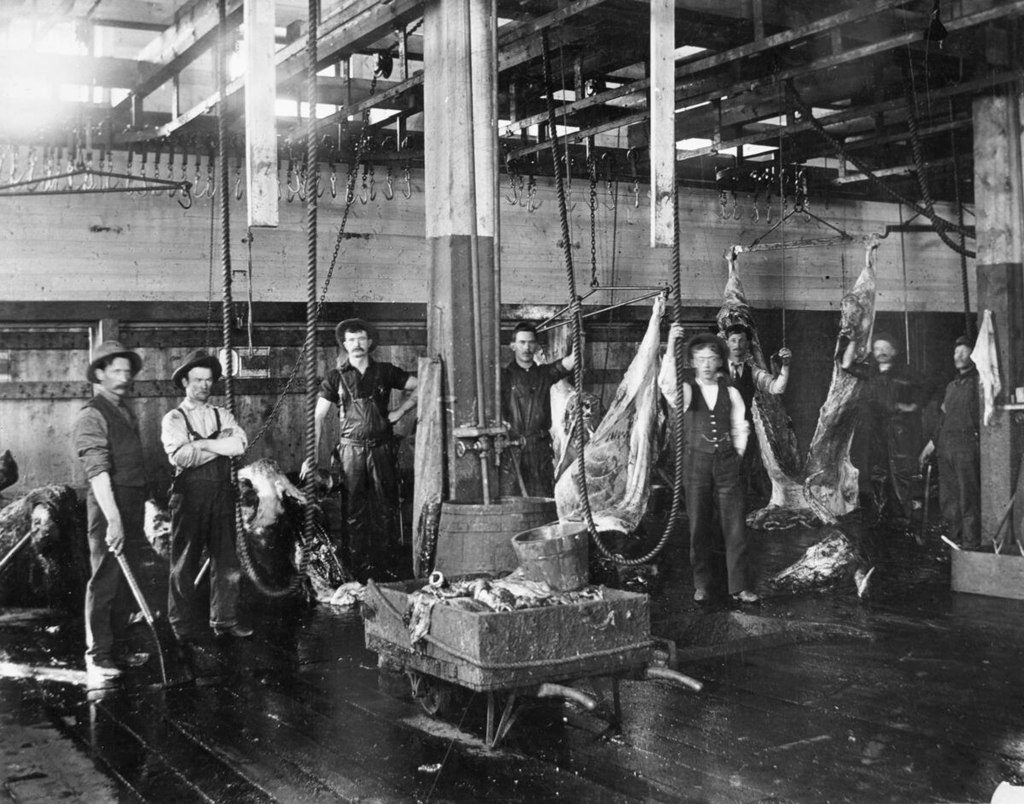
At the age of 22, Patrick, along with two of his brothers, headed West. They purchased properties east of the town of Minnedosa in Manitoba. The young men didn’t have the necessary equipment to farm, so they returned to Winnipeg and worked as builders for the Canadian Pacific Railway.
Later, Burns settled his property but began buying cattle and selling meat after the Louis Riel Rebellion. He started by packaging beef and also transporting his neighbors’ cattle to the Winnipeg market. By 1885, he was buying and selling his own cattle.
Success in Calgary
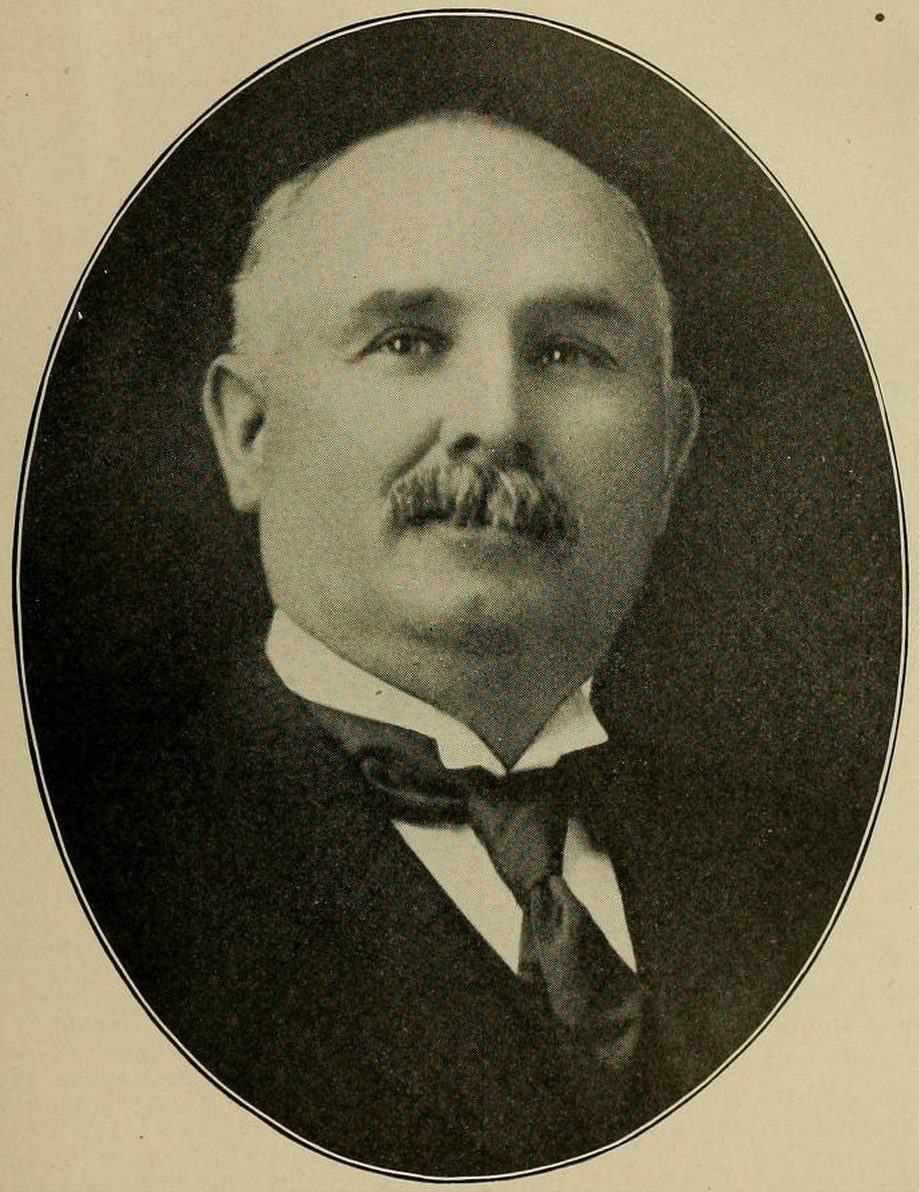
In 1890, Patrick moved to Calgary, where he established a slaughterhouse. It was fortunate that this coincided with the construction of the Canadian Pacific Railway, as Burns received contracts to supply meat for the workers. He quickly became one of Calgary’s main retailers of meat. In addition, he sold fruits, dairy products, owned his own ranch, and became involved in the mining and oil industries. In a short time, Burns went from being a small broker to a successful entrepreneur.
In 1898, he built a packing plant — first in Calgary, and then in other Canadian cities. His meat-processing company, P. Burns & Co., became the largest of its kind in Western Canada.
Patrick traveled frequently, always seeking suppliers. He gained a reputation across Canada for his humility and kindness. By 1912, under his leadership, Burns owned six ranches and was one of the four ranching magnates of Alberta. This “Big Four” group also financed the Calgary Stampede in 1912.
Burns’ ranches were massive (for context, Patrick could travel from Cochrane to the US border without leaving his land). He owned more than 30,000 cattle, 1,500 horses, and 20,000 sheep. His slaughterhouses were known for their high sanitary standards and advanced technical equipment.
However, such success did not come without challenges. His processing plant in Calgary burned down twice, and the harsh winter of 1917 resulted in the loss of hundreds of cattle.
Burns managed to expand the range of products made from the waste products of slaughtering animals. For example, he suggested using fats to make soap, bones for bone meal, and hair for brushes.
By the time of World War I, Burns had become one of the most successful Canadian entrepreneurs, with his meat shops and slaughterhouses spread across Western Canada. He also built 65 dairies, 11 wholesale provisioning houses, and 18 fruit factories. His business had international presence, with branches in London, Liverpool, and Yokohama.
In 1928, he sold his meat-processing business for $15 million and focused on cattle ranching. Though Burns had amassed wealth in the meat industry, his true passion was cattle ranching, and he continued to spend his time on farms.
One of his most valuable holdings was the Bar U ranch south of Calgary. This ranch became renowned as a center of excellent cattle breeding and purebred horses.
Senate Involvement and Philanthropy
Patrick’s influence on the development of Western Canada was recognized by many prominent individuals, including Prime Minister Richard Bennett. In 1931, Bennett appointed Burns to the Senate of Canada as a representative of Alberta. Burns served in the Senate until 1936, when he resigned due to deteriorating health.
Throughout his life, Patrick earned a reputation as a generous and compassionate person. He donated thousands of dollars annually to noble causes. He was among those who helped when a landslide devastated the community of Frank in 1903. In 1908, he sent food wagons to people who had lost their homes in a fire in Fernie, British Columbia.
He was actively involved in local children’s charities, always ensuring that the Calgary orphanage was stocked with quality meat for free. He paid particular attention to helping children, as he believed they were the most vulnerable.
In 1904, he donated three large bells to the Cathedral of St. Mary in France. Though he was Catholic, he also supported other religious groups financially. Once, when Patrick went to pay for the frescoes at a Catholic church near Calgary, he asked to also pay for the frescoes at the nearby Anglican church.
In his will, Patrick bequeathed one-third of his estate to the Burns Memorial Fund, which provides funds for the aid of vulnerable and abandoned children, families of fallen police officers, and firefighters in Calgary. He also paid close attention to education, contributing to the creation of the Western Canada College in Calgary (later the Western Canada High School), financed the construction of St. Joseph’s College at the University of Alberta, and donated land for the expansion of the Vancouver College, among others.
In 1914, the philanthropist donated £10,000 for the construction of the Canadian Legion’s Mounted Rifle Regiment. That same year, Pope Pius X knighted Burns with the Order of St. Gregory the Great. Patrick was the first Canadian to be included in the Order. He was also recognized as an honorary colonel of the 31st Calgary Regiment.
Burns was also dedicated to preserving the local environment. To protect the trees in Fish Creek Valley, he ordered fences to be built around them. Additionally, at his request, 2,000 poplars were planted along the Macleod Trail.
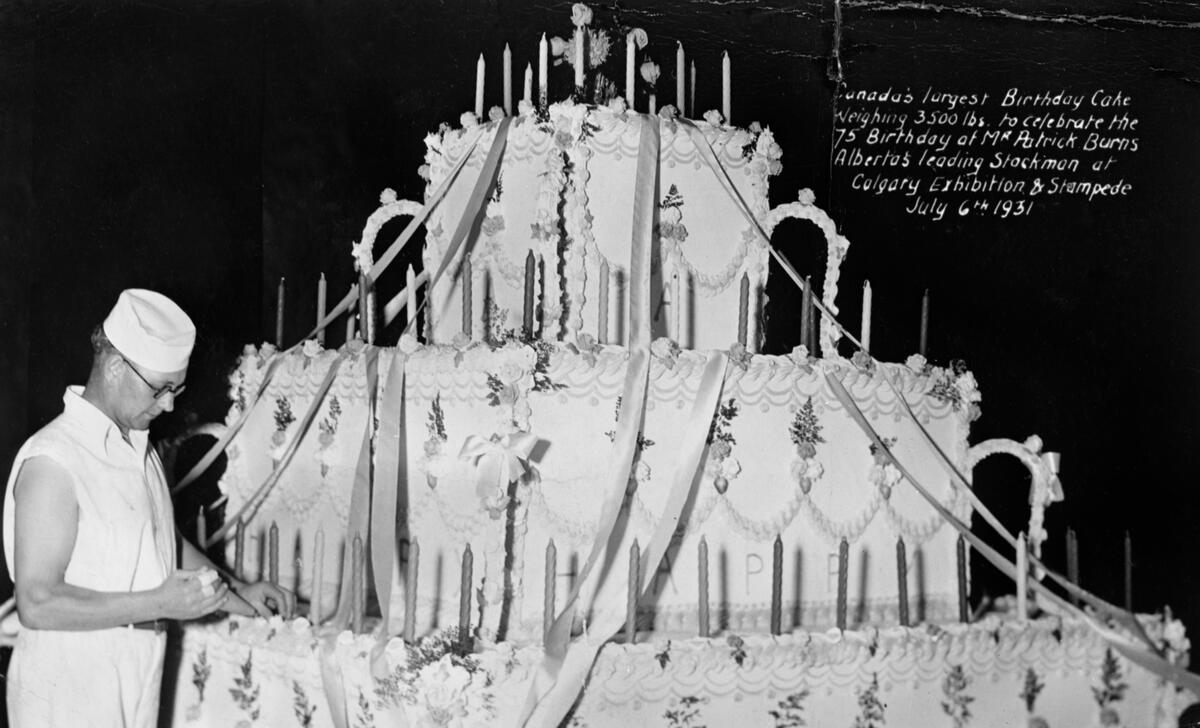
In celebration of Patrick’s 75th birthday, the world’s largest birthday cake was baked. It was carried during the Calgary Stampede parade, cut, and distributed to underprivileged residents.
During his birthday celebrations, Patrick gave five pounds of roast (meat dish) to each family where the men were unemployed, and tickets for lunch at any Calgary restaurant to all single unemployed people. A total of 2,000 families received the roast, and 4,000 single unemployed people dined for free at restaurants.
In 2008, the Calgary Herald named Burns the most outstanding citizen of Alberta.