

The St. Louis Hotel in East Village is a cultural heritage landmark, a municipal historical resource, and a place where some of Calgary’s most notable characters met, planned for the future, and made history. The hotel closed in 2006, and two years later, the three-story building was purchased and restored by the Calgary Municipal Land Corporation (CMLC).
The restoration was completed in 2016. The building was reinforced with a new steel structure and concrete floors, though the original floors and ceilings were preserved. Skylights were reconstructed to expand rental opportunities on all floors.
The front facade of the building mimics the one created during its restoration in 1949. Exposed brick, mechanical, electrical, and structural elements create a rustic style reminiscent of the original building. Here are some interesting stories about the remarkable hotel calgary1.one.
Opening
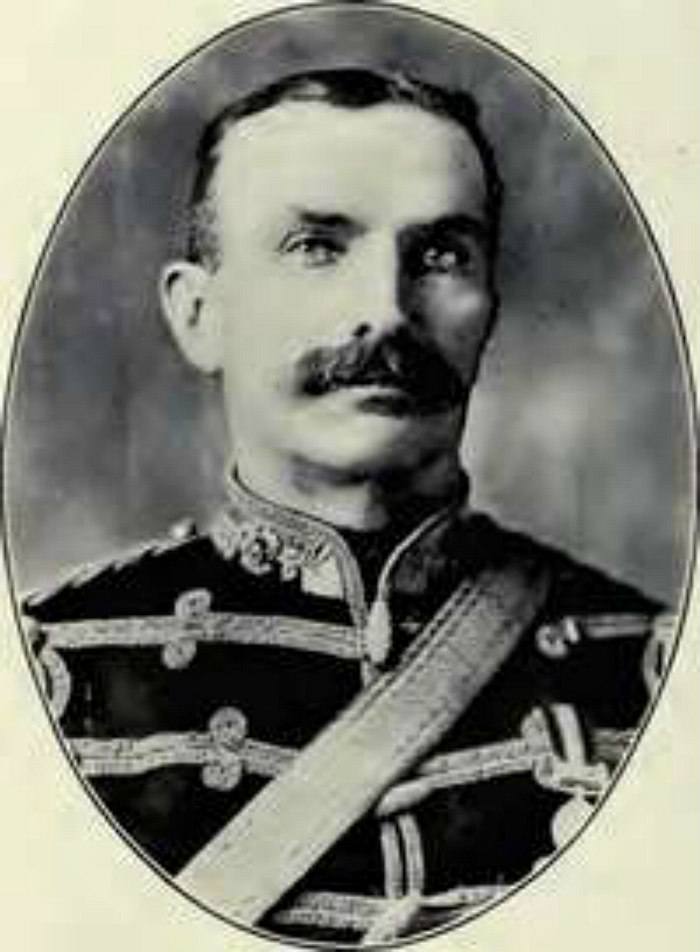
The hotel opened in 1914 and was built by Colonel James Walker in anticipation of the arrival of the Great Pacific Railway to Calgary’s northwest frontier. Travelers coming to the city needed a place to stay, making the hotel’s construction a perfect investment. Walker was an influential entertainment magnate and participated in several notable events in the city.
Imaginary Horse Races In the 20th century, the atmosphere inside the hotel was lively and filled with events. Local artist and founder of the famous indoor horse races, George Stevenson Sr., was a regular visitor to the hotel’s basement bar since the 1950s. His son, George Stevenson Jr., frequently visited from the 1980s.
George Stevenson Jr. recalled in an interview with Avenue Calgary that one Friday in 1985, he and his father, along with a few other men, were in the bar. George Stevenson Sr. invented indoor horse racing as a simple game for the men at the table. He named a few horses, wrote them on a napkin, and the men wrote their initials next to the horse they thought would win.
Stevenson Sr. created all the results and picked the winning horse. At the end of the game, whoever had their initials next to the winning horse had to buy a pitcher of beer for the table. The imaginary races became a popular activity that spread to multiple tables, and soon enough, six or seven tables were playing.
After a while, Stevenson Sr. printed race forms. There were four races, each with eight imaginary horses. “Old Army” was a local favorite. Whoever bet on the winning horse won $8.
Stevenson Sr. would look at his racing sheet, imagining the horses bumping into each other, while he stood with a microphone on the bar’s stage telling jokes between the races. This game became a weekly event. Guests, while enjoying their food, would join in what became more of a fun show.
During the 1988 Winter Olympics, when television crews from around the world came to Calgary, they would stop by the St. Louis to film the races and chat with George Stevenson Sr. Olympic athletes also visited the hotel to see what the fuss was about.
This popular social event became known as the “World-Famous Indoor Horse Races.” At its peak, the hotel was so busy on Fridays that if you didn’t arrive by 11:30 AM, you’d be unable to get in.
The races ceased around 1995, though they were held a few more times later, not for fun, but for charity fundraising.
A Magnet for Directors and Musicians
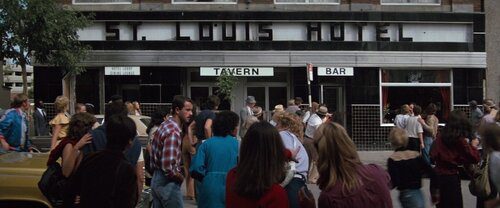
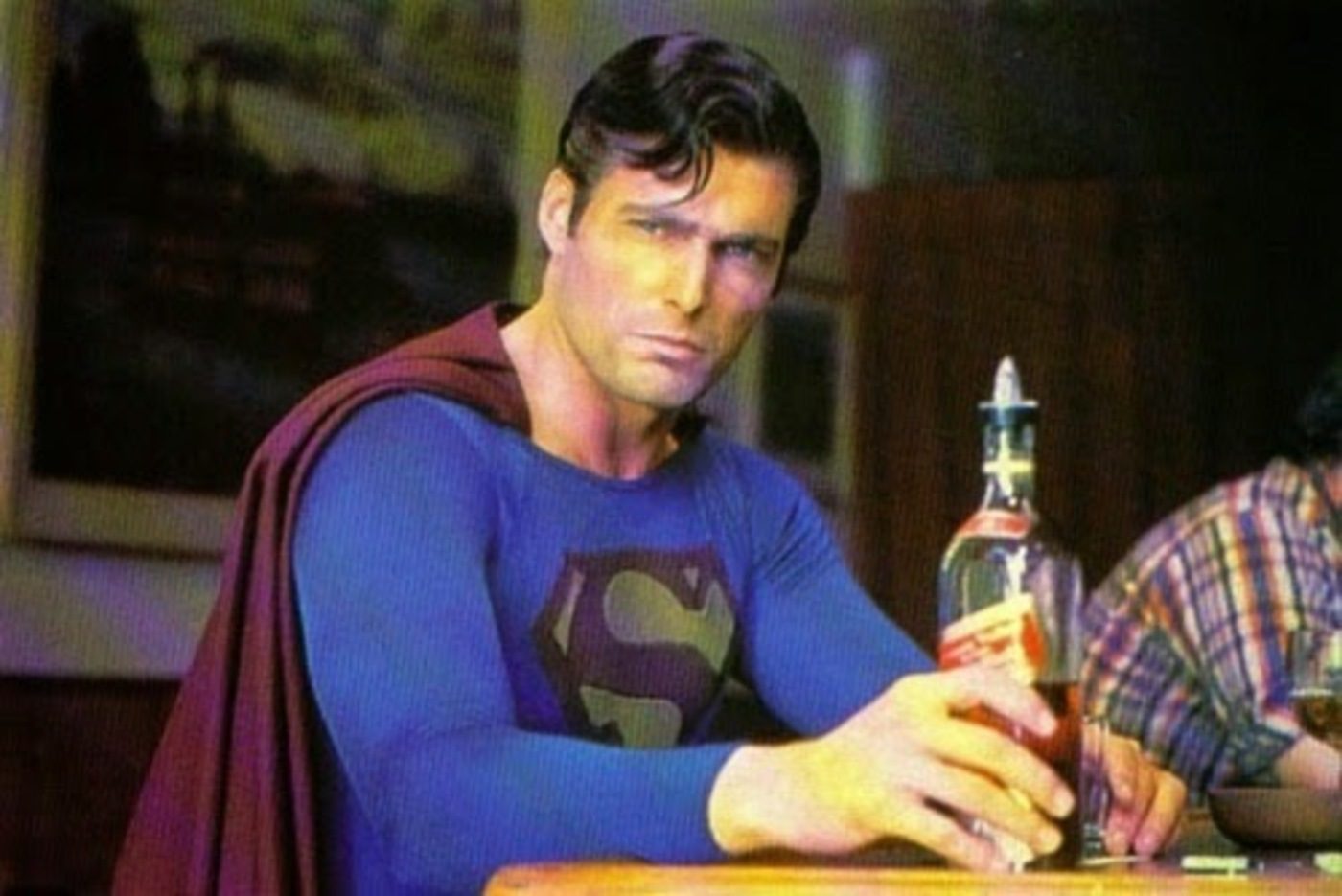
The hotel’s appearance and location made it an ideal backdrop for films. The scene in Superman 3 (1983), where Superman sits at the bar eating a snack, was filmed at St. Louis. The filmmakers didn’t try to hide Calgary’s skyline or cover the hotel sign, making the building easily recognizable in the film.
During the Calgary Stampede festival, the hotel was packed for all 10 days. The basement usually held around 250 people, but during the festival, standing room only was available, allowing for up to 450 people.
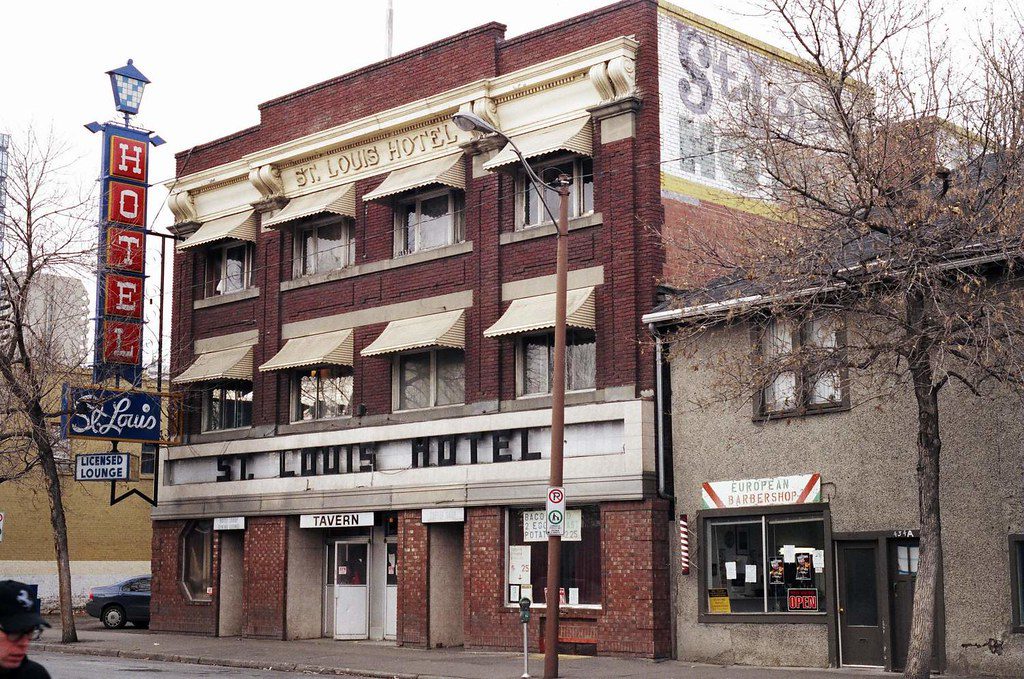
The hotel was especially popular with traveling artists who wanted to earn some pocket money during the city’s biggest event of the year. Musicians would stand on the corner with guitars or violins outside the hotel, and most of them would come inside. Some performers returned every year, like the violinist who came for all 20 years.
Ralph Klein and the Pathway
St. Louis was one of the favorite spots of Ralph Klein. Before his political career, Ralph worked as a journalist at CFCN-TV and CFCN radio. In October 1980, he was elected mayor of Calgary, a position he held until 1989. Afterward, he ran for and won a seat in the Alberta Legislative Assembly, becoming the Minister of Environment. In December 1992, he became the leader of the Progressive Conservative Party of Alberta and the 13th Premier of the province.
Before he became Premier, Ralph was a frequent visitor to St. Louis. According to witnesses, it was here, after a few pints of beer, that he decided to launch his political career.
At the time, there was a parking lot next to the hotel, where many people would park their cars before walking to the city center. Visitors and hotel staff had to park in the city’s parking lot outside the building and walk around the fence since there was no direct pathway. Ralph Klein learned about this and the very next day, a crew laid down a pathway.
Cheap Comfort Food
St. Louis was never known for its gourmet food or as a place for fine dining. However, for Calgary residents seeking cheap, hearty meals, the hotel’s menu was a perfect fit. For just $3.75, you could get two pieces of chicken and a large potato. Other popular items included huge meatballs for $1 each, corned beef sandwiches for $3, and sausage sandwiches for $1.50.
The hotel was filled with strong smells: cigarette smoke, oil from the kitchen that hadn’t been changed in a while, fried food, fast food, and beer. As Stevenson Jr. recalled, visitors always left the hotel smelling of chicken and chips, even if they hadn’t eaten anything.
Art
The history of the St. Louis Hotel lives not only in its walls but also through its preserved works of art. In the elevator, you can find an installation featuring photos of the hotel’s most loyal patrons, Ralph Klein and George Stevenson Sr.
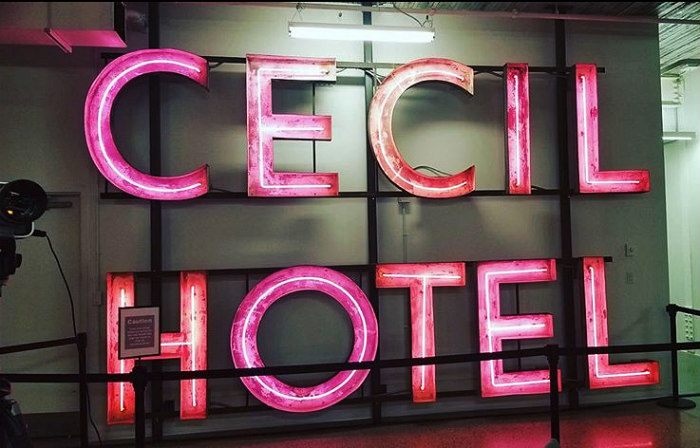
The original 1950s sign, moved from the Cecil Hotel, was carefully preserved at St. Louis and became a popular photo backdrop. The neon sign at the entrance to the hotel remains a landmark known to many Calgarians.