

On May 26, 1919, a strike began in Calgary that lasted over a month. In terms of the number of workdays lost due to the strike, it was the third-largest work stoppage in Western Canada (after Winnipeg and Vancouver) and the largest strike in the city’s history in the 20th century. More on this historic event on calgary1.one.
Causes of the Strike
After the Bolshevik Revolution in Russia and the Spartacist Uprising in Germany, the ideas of strikes began to take root in Canada as well. It all began with a strike in Vancouver on August 2, 1918, which was suppressed by the military, and the union offices were looted. The leader of the strike, Victor Midgley, was forced to kiss the British flag and then thrown out of a window.
This angered workers, and many union leaders began calling for a revolution against the Canadian government. In March 1919, radical unions formed the One Big Union. This union began organizing strikes, the most famous of which was in Winnipeg. The activity was caused by many factors: rising cost of living, unemployment, intense working conditions, and employers’ reluctance to recognize unions. Workers sought to overthrow capitalism in Canada in favor of a socialist system.
By 1918, the cost of living in Canada had increased by 48%, and by 1920 it had increased by 128%. The prices for rent, fuel, and food rose sharply. Many workers who had been involved in wartime industries became unemployed. People began losing jobs due to the introduction of new technologies in the clothing and metalworking industries. In addition, industrial workers were working under difficult and hazardous conditions, with extended working hours and reduced wages.
The First Attempt
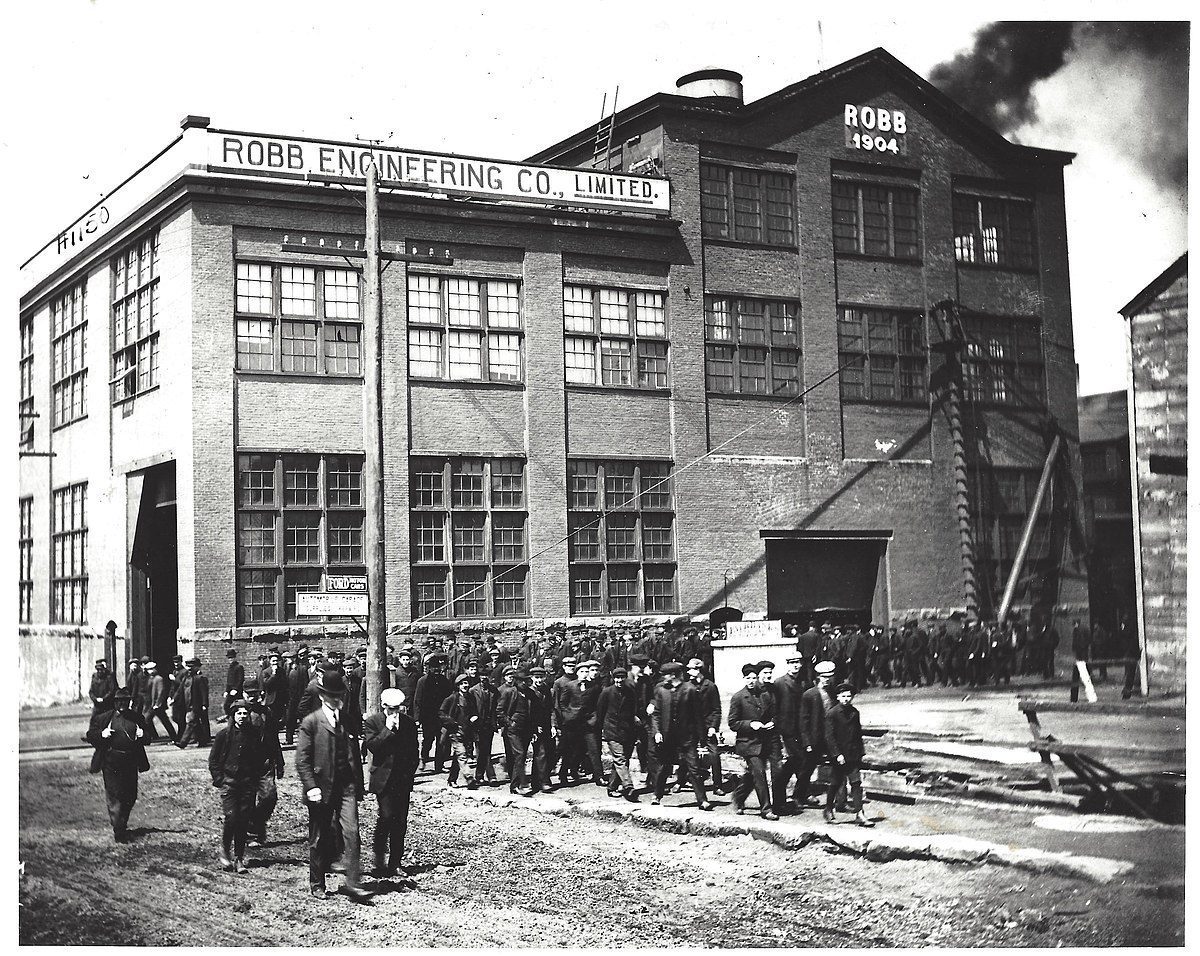
On October 5, 1918, Calgary machinists, boilermakers, blacksmiths, electricians, and some other workers destroyed their tools in solidarity with striking railway workers. Other unions planned to join this wave of strikes.
However, a week later, five leaders of the uprising were arrested, and the federal government threatened to apply anti-strike legislation (which had been passed just a few days before) against the participating unions. The strike was completely halted on October 23.
On one hand, this event demonstrated that Calgary workers were ready to show solidarity and support the uprising against poor working conditions. On the other hand, Calgary union leaders realized that the state was ready to take ruthless repressive measures.
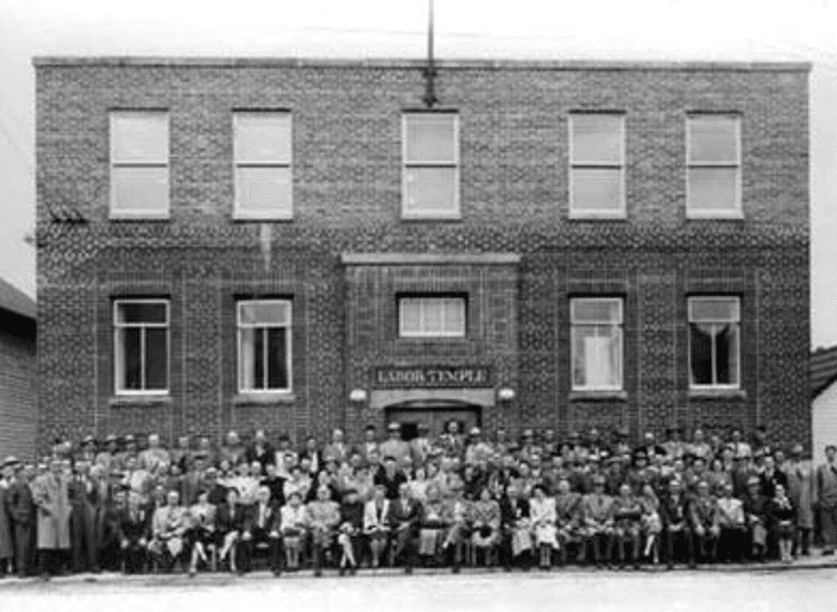
On March 13, 1919, the Western Labor Conference was held at Calgary Labor Temple, where the idea was proposed to form a single large union for workers, regardless of trade, nationality, or gender. Unionists had doubts about the effectiveness of such a union in light of government restrictions. However, when the strike in Winnipeg exploded, many union leaders in Calgary decided to lay down their tools in solidarity. On the eve of the strike, May 25, 1919, 25 out of 74 Calgary unions voted for a labor uprising.
The Start of the Strike
The number of strikers fluctuated constantly. Some agreed to join the movement, but after a few days, returned to work, while others, such as the union of masons, stoneworkers, and plasterers, joined the strike closer to the end. Regardless, this uprising united workers from various segments of society. For example, at the railway station, Japanese-Canadian glass cleaners refused to work alongside other railway workers.
Once the strike began, workers created a Strike Committee to coordinate actions and disseminate information. They prepared a bulletin to provide full details about the purpose, goals of the strike, and to counter the negative coverage of the strike by the Calgary Herald and other attempts to disrupt the uprising.
For more than four weeks, workers organized various events to unite people and simultaneously raise awareness about labor issues. Workers marched through the city accompanied by an orchestra, and they also held mass rallies at Mewata Park and on St. George’s Island.
The Role of Women
Women played a crucial role in the strike, particularly through the Women’s Labor Council, founded by activists Jean MacWilliam and Mary Kors. Women supported the striking workers, participated in auxiliary union organizations, worked as delegates in the Trade and Labor Council, which was open to women workers belonging to unions, as well as to wives and daughters of union activists.
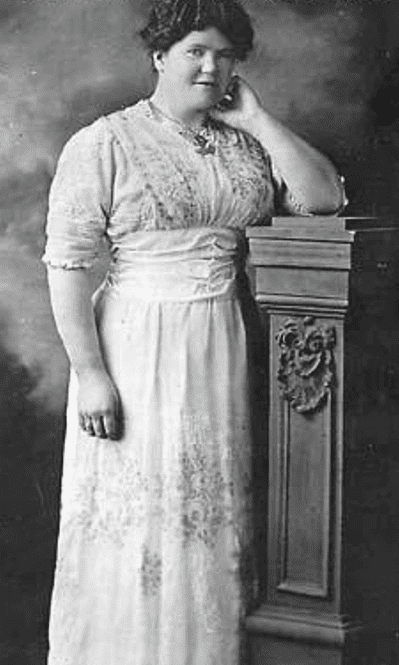
Shortly after the start of the strike, women formed the Calgary Defense Committee. This committee organized events to rally people and boost the morale of the strikers. The committee collected hundreds of dollars in donations, often enduring mockery and threats from the authorities.
At the beginning of the strike, the Women’s Labor Council petitioned to call on government officials to reinstate postal workers who had been fired for supporting the strike. When police arrested the leaders of the strike in Winnipeg, Calgary women sent a telegram of support to the Women’s Labor League of Winnipeg and called for a national general strike. Even after the Calgary strike was suppressed, the Women’s Labor Council continued to be the voice of working women.
The Opposition: The Civic Committee
The support of women became crucial when Calgary’s elite formed the Civic Committee, aimed at combating the strikers. The wealthy businessmen were far removed from the realities of the working-class life in the city. They believed that they were allowed to pay $600 for membership in golf clubs, but when an ordinary worker asked for a salary higher than $56 a month to support his family, they called him a “bold Bolshevik.”
The Calgary Herald newspaper also took the position of the Civic Committee, writing on its pages that the strikers aimed to replace the democratically elected government with a government of the industrial class.
Unlike the similar committee in Winnipeg, the Civic Committee in Calgary did not resort to physical violence but cooperated with the Royal Northwest Mounted Police, who, after the strike ended, conducted raids on labor bureaus and homes of strike leaders to intimidate them.
Once, the police raided the house of socialist and later Calgary council member Robert Parkin. Trying to confiscate socialist literature, the police gathered all the books in red leather bindings, including the Bible.
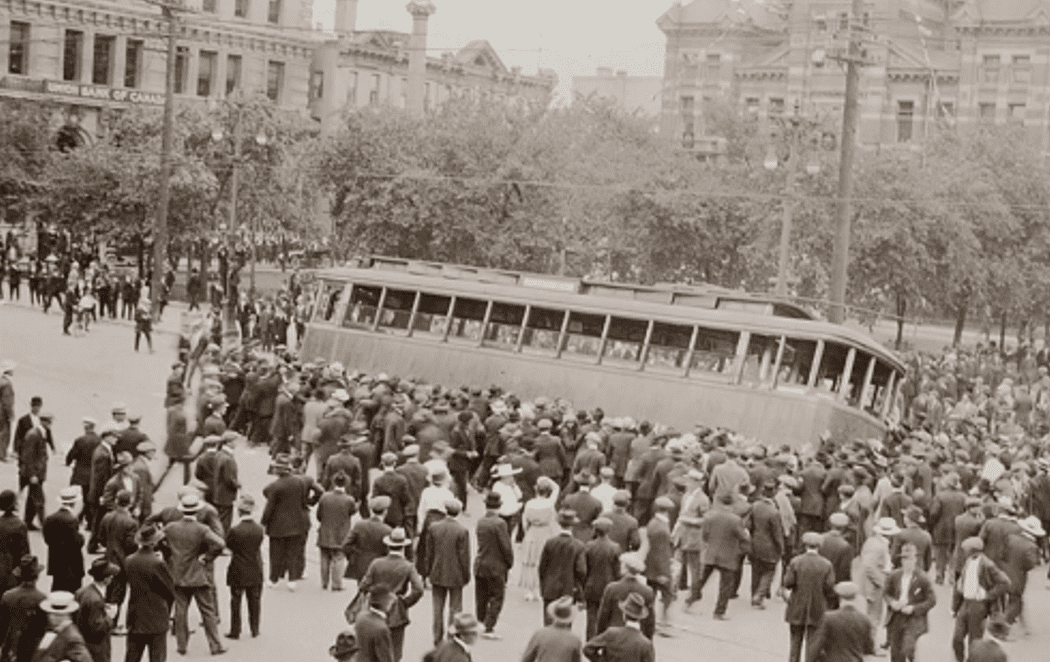
On June 17, news spread about the arrest of the strike leaders in Winnipeg. The Calgary Strike Committee then called on workers for a national general strike in solidarity. However, the Winnipeg strike was violently suppressed, forcing workers in other cities to scale down their activities. On June 25, the strikes in Calgary and Winnipeg were ended.
Conclusion
Although the workers’ uprising ended, the class conflict continued throughout the summer in the coalfields of Alberta and British Columbia. Labor uprisings in Canada continued actively until 1925, but they ultimately ended in defeat for the workers.