

Canadian schools are renowned for their high-quality education, highly qualified teachers, and modern classrooms. Each Canadian province has autonomy over its education system, meaning that provincial governments independently regulate education.
Alberta is known for having one of Canada’s best school systems, characterized by a strong curriculum and assessments, expansive educational pluralism, equitable school funding, and excellent results in the international PISA education quality study. Below is an overview of Canada’s secondary education and the reforms in Alberta that have created schools offering students a true “ticket to the future.” More on calgary1.one.
How Is Canada’s School System Organized?
All children in Canada must complete 12 years of school or pursue homeschooling. Schools are divided into three levels:
- Elementary or primary school – from kindergarten to Grade 6.
- Junior high or middle school – Grades 7 to 9.
- High school – Grades 10 to 12.
Schools are classified as public, Catholic, or private. They are funded through property taxes, with a significant proportion of funds allocated to education—more than in most other countries. Admission to schools is based on residential location, and some Canadians even relocate to another province to enroll their children in prestigious schools.
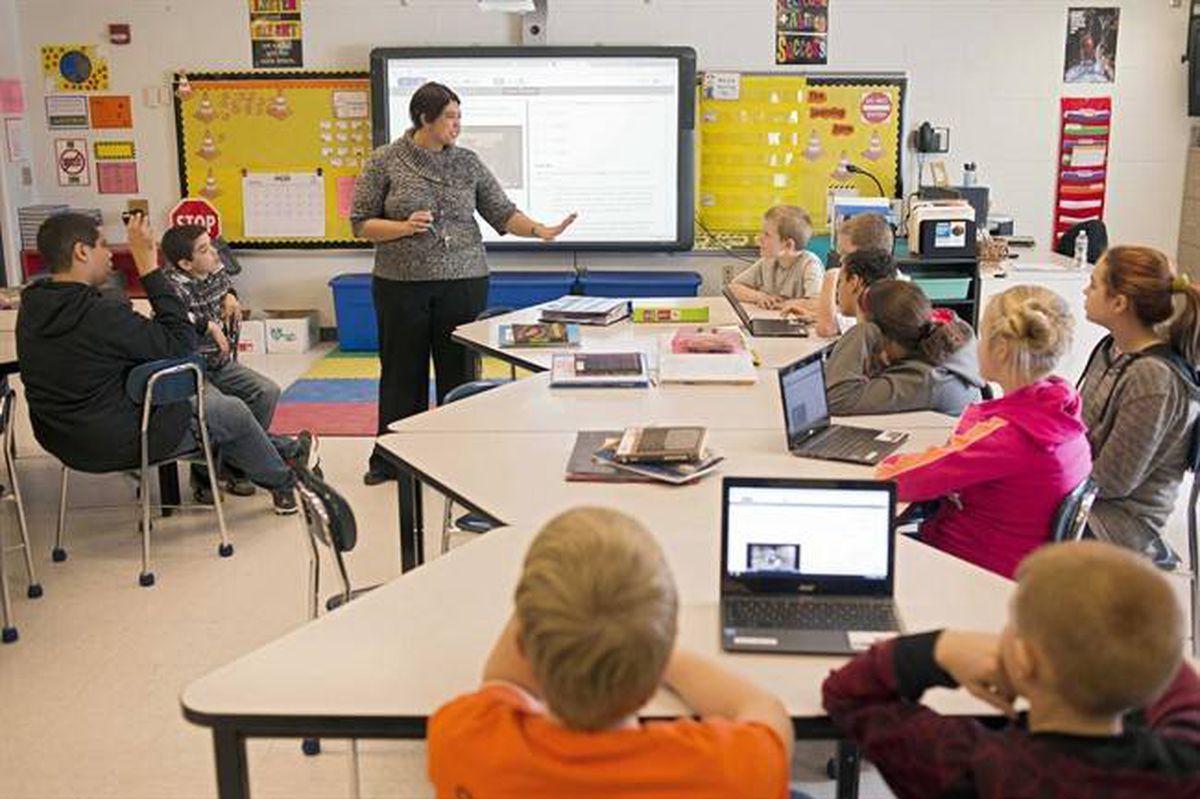
After completing high school, graduates decide whether to pursue further education at a college or university. Only secondary education is mandatory.
The First Schools in the Province
The earliest schools in what is now Alberta were established by Roman Catholic and Protestant clergy and missionaries. Attendance fees were required at these schools. In the late 1870s, Alberta introduced an assessment system in its schools, teaching children skills aligned with the economic and industrial needs of the time.
Alberta’s first free school was opened in modern-day Edmonton in 1881, before the introduction of school legislation, local government, or property taxation. The school operated under informal local taxation.
Between 1883 and 1905, Alberta developed an education system enabling public education to become accessible in every community, provided local residents initiated its implementation.
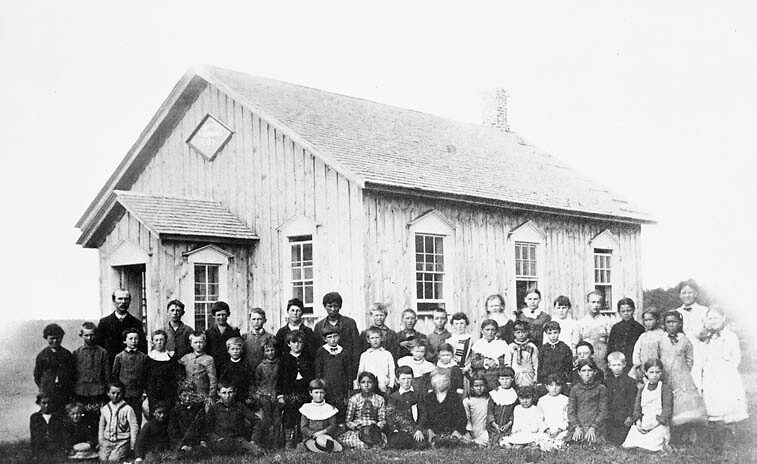
By 1910, Alberta adopted a secondary education model inspired by Ontario. During the first ten years after Alberta became a province (1905), the number of school districts increased from 716 to 2,478.
Rural School Development
In 1921, the educational movement expanded into rural areas, driven by women activists from the United Farmers of Alberta political party. After World War II, Alberta focused on administrative efficiency, consolidating schools and districts, and extending services to isolated and rural communities. Starting in 1920, the government encouraged the construction of two-room schools in rural districts where student numbers exceeded 60.
Progressive Education
Under Alberta school superintendent Hubert Newland, the province implemented progressive education emphasizing practical orientation, critical thinking, group work, social skills development, and comprehension over rote learning.
Between 1935 and 1940, Alberta Teachers’ Association was formed, curricula were revised, new learning objectives were introduced, school levels were restructured, and evaluation criteria and methods for students and teachers were redefined.
Experiments with progressive education ended in 1950 due to issues with student performance and discipline.
An Era of Change
The 1960s and early 1970s marked a period of social innovation. In 1970, the average age of teachers in Alberta was 30. Education became a priority in government-funded social programs.
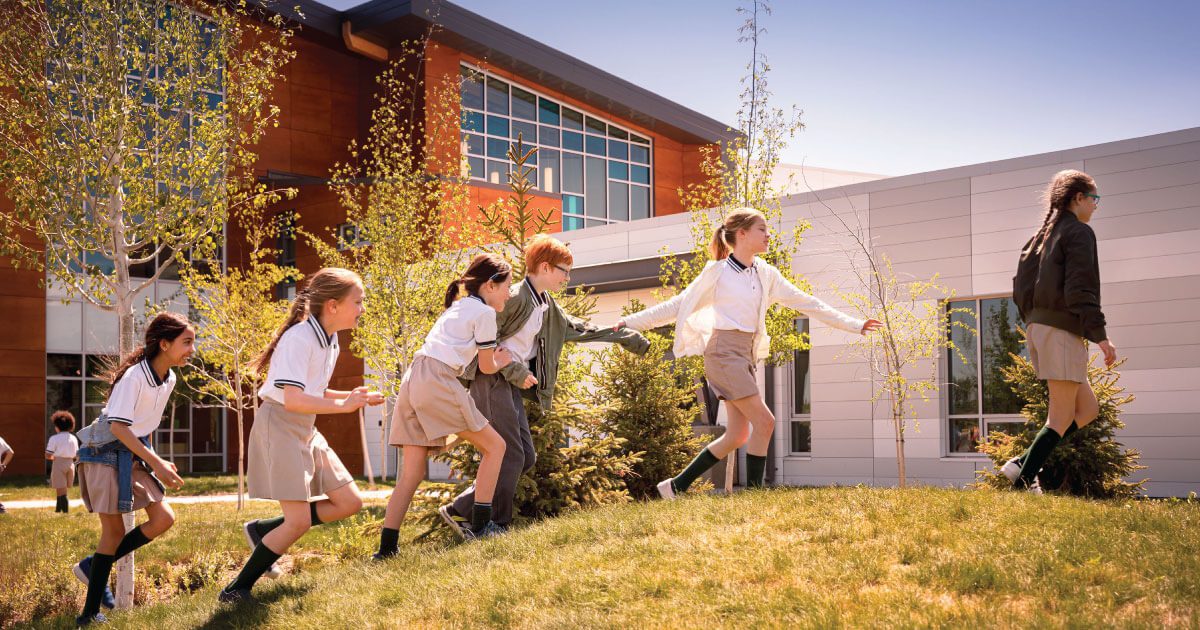
By the mid-1970s, the global capitalist economy faced a crisis with industrial stagnation, high unemployment, and inflation. Alberta’s education sector received significant criticism from parents concerned about their children’s futures. They demanded reduced influence from teachers’ unions, improved global competitiveness, stronger ties between schools and employers, increased educational funding, and smaller class sizes.
In 1972, schools began focusing on student needs, team-based learning, and outdoor classes. By 1981, Alberta introduced standardized tests in English, mathematics, science, and social studies for Grades 3, 6, 9, and 12.
Following the 1982 adoption of the Canadian Charter of Rights and Freedoms, Alberta established Francophone school authorities. That year, Grade 12 students gained the opportunity to take final exams in all core subjects. These exams became mandatory the following year, accounting for 50% of students’ final grades.
In 1985, Alberta increased instructional time for core subjects and introduced mandatory courses on career education, personal finance, and life management skills. By 1986, 13,000 students attended private schools in the province; by 1996, this number had grown to 20,000.
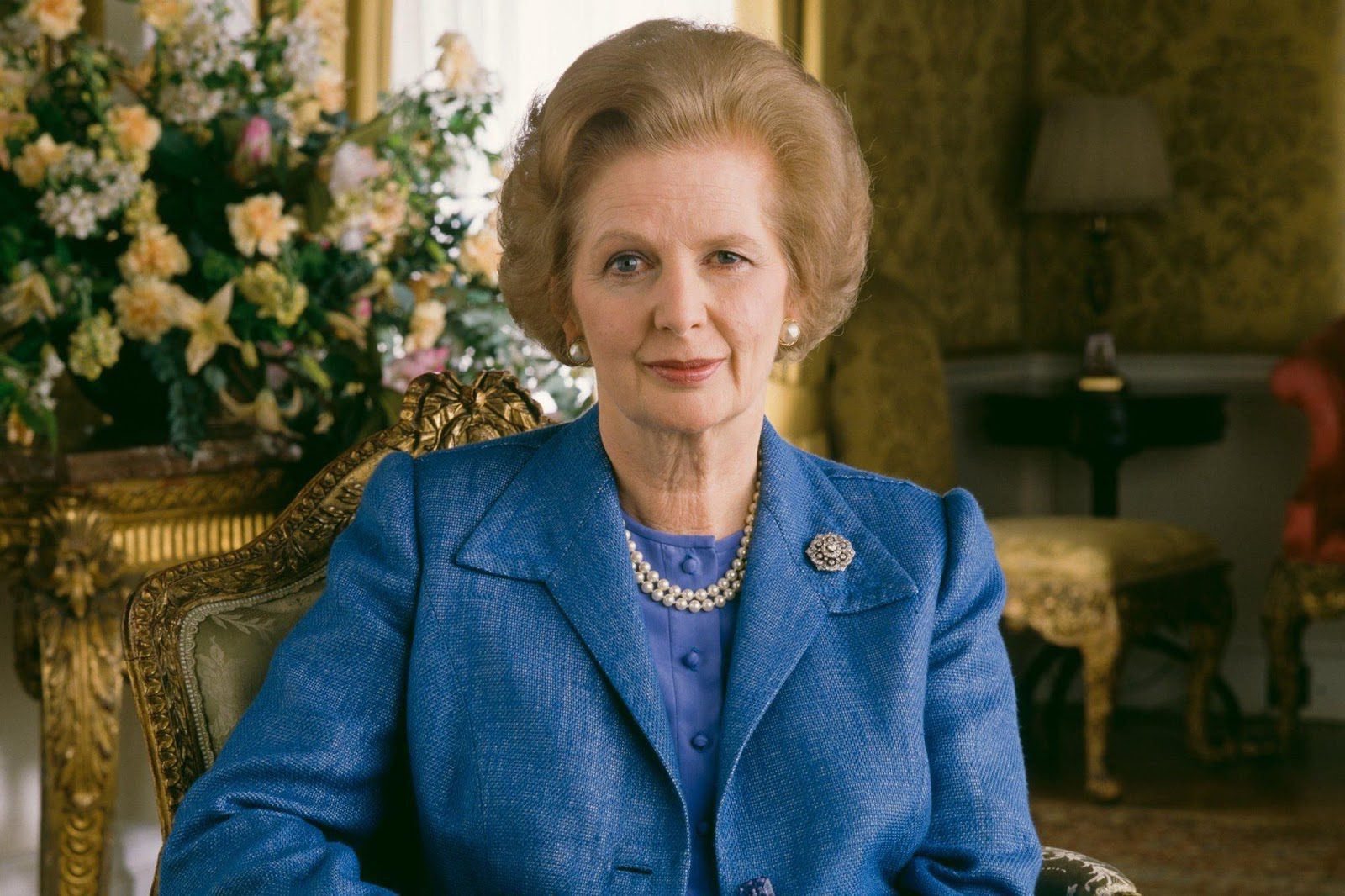
The 1988 Education Reform Act, inspired by British Prime Minister Margaret Thatcher, allowed charter schools (publicly funded but operating independently of the public school system), a national curriculum, national testing, open enrollment zones, and school management systems—all of which were implemented in Alberta.
Gaining Autonomy
In 1994, Alberta’s government shifted from ensuring equitable education access to setting educational standards. Teacher salaries were cut by 5%, and the average teacher age increased to 42.
In 1995, the federal government transferred jurisdiction over education to the provinces. Since then, the Canadian government has funded education based on provincial budgets rather than residual principles. A significant portion of property taxes is allocated to local school boards, with revenues tied to the provincial, rather than national, economy.
Dissatisfaction with education in Alberta grew due to significant budget cuts. In 2001, teachers were promised a 6% salary increase over two years. However, this proved insufficient, and in 2002, more than 20,000 teachers across Alberta went on strike, demanding increased education funding, smaller class sizes, and improved working conditions.
The 2002 Teachers’ Strike
After the 2002 strike, Alberta’s government ordered teachers back to public schools and required their union to negotiate. The government refused to raise salaries, arguing that Alberta’s teachers were among Canada’s highest-paid. Eventually, a legal ruling in June 2002 sided with the teachers, leading to significant salary increases, particularly for new teachers. Although the fight for better working conditions continued for two more years, the situation gradually improved.